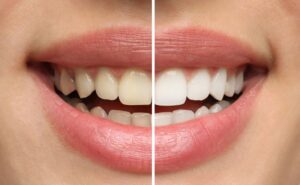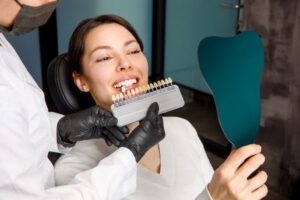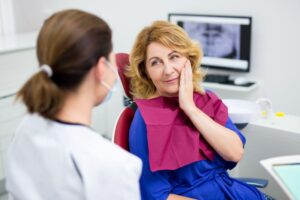

“The world always looks brighter from behind a smile”
Gingivitis that is left untreated can eventually morph into periodontal disease, or periodontitis, which is the swelling and infection of the supportive structures of the teeth. The breakdown of these structures leads to the loosening and eventual loss of teeth. Knowing how the disease develops and progresses and what warning signs to look for is imperative. After all, we all want healthy teeth and gums for life! Let’s learn a little bit about the disease and what symptoms may appear.
Periodontal disease develops when build up such as tartar and plaque accumulate near the gum line. Swelling occurs, which leads to a collection of this build up forming between the gums and teeth. Since the gums are swollen, the tartar and plaque become lodged. The supportive structures of the teeth, such as tissues and bones, begin to deteriorate. The likelihood of developing an infection is heightened because of the bacteria found in plaque. In some cases, a tooth abscess may even begin to form, speeding up the rate of deterioration.
Some symptoms to watch out for are halitosis (persistent bad breath), gums that are red or reddish purple, gums that seem to bleed easily (particularly with gentle brushing), tenderness of the gums when touched (but painless otherwise), and teeth that appear to be loosening. It is helpful to know that early signs bear a resemblance to gingivitis.
Treatment of periodontal disease aims to get rid of the swelling, eradicate any collections of tartar and plaque, and determine the ultimate cause of the problem. However, forms of treatment vary depending on the severity of the disease. It’s critical to remember that periodontal disease is a bacterial infection. The urgency of treating it is just as important as any other condition.
This is why it’s vital to remain vigilant regarding the health of your mouth. Keep an eye out for any and all warning signs and bring them to the attention of your dentist as soon as possible. The sooner any problems are addressed, the quicker a treatment plan can be implemented. A happy smile is a healthy smile, so why not ensure its longevity with proper oral hygiene?
Read More
It’s a truth as old as the human race: we fear the unknown. It’s also one of the main reasons many people are still afraid of going to the dentist. They simply don’t know how comfortable an experience having their teeth fixed can be. Yes, we said comfortable!
New laser dental technology is now allowing dentists like Dr. Ejaz & Femina Ali from Wellesley Dental Group to provide care in greater comfort than ever before. “Most of our patients don’t even know this exists, but we are always looking for ways to improve the comfort and clinical care of our patients, and thus we have invested in this advanced technology,” says Dr. Ejaz Ali.
The laser system, called the Waterlase MD™, from BIOLASE Technology, Inc., is a revolutionary dental tool that uses a combination of laser energy and water to perform a variety of dental procedures with fewer shots and less anesthesia. It is approved by the U.S. Food & Drug Administration for use in many kinds of dental work – from fixing cavities to preparing teeth for crowns and root canals, and even inserting implants.
Studies have shown that Waterlase Dentistry™ can be less traumatic than the drill. The combination of laser and water provides a quick and unique cutting action that is precise and gentle, so it preserves healthy tooth or gums around a cavity or diseased gums. “It’s an approach called minimally invasive dentistry”, says Dr. Femina Ali. “The idea is to fix the diseased part of your tooth, gums, or bone without damaging adjacent healthy tissue. Laser-assisted dentistry gives us a big advantage in providing excellent clinical care with maximum patient comfort.”
For those putting off dental work due to the fear of discomfort, visiting Wellesley Dental Group at 5 Seaward Road in Wellesley, MA may mean ending this fear of dentists. “Like they say, ‘Knowledge is power’, Dr. Ejaz explains, “and the more people know about how we’re using Waterlase Dentistry, the easier it is for them to conquer their fears and let us take care of the dental work they need.”
“When it comes to treating our patients,” Dr. Femina explains, “the Waterlase MD™ is limited only by our imaginations.”
Read More
Were you thinking about beginning 2012 with a new workout regimen? If the answer is yes, you’re in luck. A recent study printed in the Journal of Periodontology claims that keeping a healthy body weight and exercising regularly reduces the risk of gum disease. Now there’s even more reason to get that gym membership!
Also, keep in mind that smokers and tobacco chewers are at a heightened risk for developing gum disease. Kicking this habit once and for all is an easy way to ward off future problems. Diabetics are at risk as well and should monitor their weight regularly. Faulty dental work has been linked to gum disease, too. Be sure to address any issues, such as broken fillings or ill-fitting bridges, to maintain optimum oral health.
There are various signs that a problem may be arising, such as inflamed or sensitive gums, receding of the gums, a constant bad taste in the mouth, or shifting teeth. Be diligent and watch for any indication of a problem. Addressing it sooner rather than later is always advised.
Keeping your weight at a healthy level and working out consistently are both key factors in maintaining a positive lifestyle. With the new knowledge that is also benefits your oral health, it makes perfect sense to stay in shape!
Read More
Finding a dentist may seem like a tedious task that is both time consuming and stressful. However, asking the right questions as you search will prove to make the experience much smoother.
One essential aspect to consider is the location and hours of the office. Chances are if it’s far away or open at odd hours, you will be less likely to keep your appointments. Selecting a dentist that is close to home or work and easy to get to will ensure a pleasant experience.
Another important facet is the education and training of the dentist. Don’t make a decision based on advertising or cost alone. Be sure to research the schooling or programs they completed and confirm that they are indeed credible and trustworthy.
Also, knowing if the dentist participates in your dental health plan is vital. Be sure to call the office and find out what insurance plans they accept.
A final item to keep in mind is how often the dentist attends continuing education workshops or conferences. Staying up to date with the latest innovations and procedures in dentistry is essential, and Drs. Ali are committed to providing their patients with the latest in cutting edge care and maximum comfort.
Read More
Happy New Year! The rush of the holidays is over and now it’s time to settle back down into our normal routines, right? Well … not quite …now is the time to kick start our New Year Resolutions!
For those of you beginning the New Year with an in-office whitening treatment, congratulations! You are on your way to a brighter and whiter smile, even though the holiday sparkle has ceased you will continue to light up rooms well into the New Year! (How does it feel)?
So, you have crossed one resolution from your list. Still, a burning question remains, “What can I eat after my teeth whitening procedure?” For the next 48 hours you should avoid foods/beverages that cause teeth discoloration such as tea, coffee, soft drinks, red wine, white wine, blueberries, tomatoes, etc. Consider this a rule of thumb: consume white foods and clear liquids ONLY such as boiled chicken, cauliflower, water, or skimmed milk.
What are your New Year Resolutions and how do you plan to stick with them? We would love to hear from you!
Read More
The Wellesley Dental Group Staff would like to wish everyone a very happy and warm New Year, full of joy, happiness, and success. HAPPY NEW YEAR! Over the last couple of months many of us have indulged, surrounded by loved ones we’ve feasted and celebrated joyous holidays. Now, it’s time to jot down our New Year’s Resolutions and look forward to another year of opportunity. What are your New Year’s Resolutions for 2012? We’d love to hear from YOU! Whether you resolve to hit the gym or budget your spending, we encourage you to keep smiling in the New Year!
Remember, a beautiful smile can change everything: positively impacting your self-esteem, confidence, personal and career relationships, allowing an individual to truly shine in any situation.
Here are a few simple tips for maintaining a beautiful healthy smile:
Read More
Is there anything more heart-warming than seeing your child’s happy, healthy smile? As a parent, it’s important to learn how to properly care for your child’s oral health. Here are important things you should know about your child’s teeth:
Babies are born with almost all of their primary teeth, though they are hidden in the gums. Therefore, it’s crucial to develop good oral care before the first tooth surfaces. Wipe your child’s gums with a damp cloth or gauze after feeding.
Teaching your child to develop good dental hygiene at a young age will help them to achieve a smile they can wear proudly as they grow older. Set a good example; demonstrate the value and importance of good oral health. A few tips:
Read More
Recent Comments